

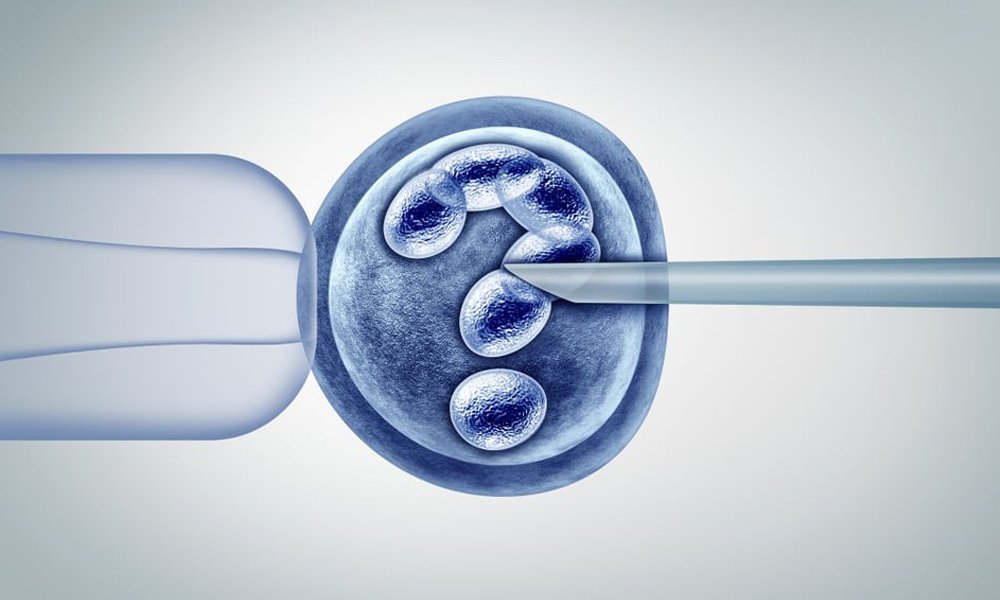
You finished your MBBS. Maybe your MD. You're competent, you're working, but there's a quiet voice in your head that keeps asking: "Is this enough? Am I going where I actually want to go?" If you've been drawn toward reproductive medicine — IVF, infertility, the science of helping people have children — this guide was written specifically for you.
Becoming an IVF specialist in India in 2026 isn't just a career upgrade. It's a decision to step into one of the fastest-growing, most emotionally rewarding, and financially viable specialties in modern medicine. But it's also a path with real obstacles — and most doctors find out about those obstacles only after they've already wasted years. Let's change that.
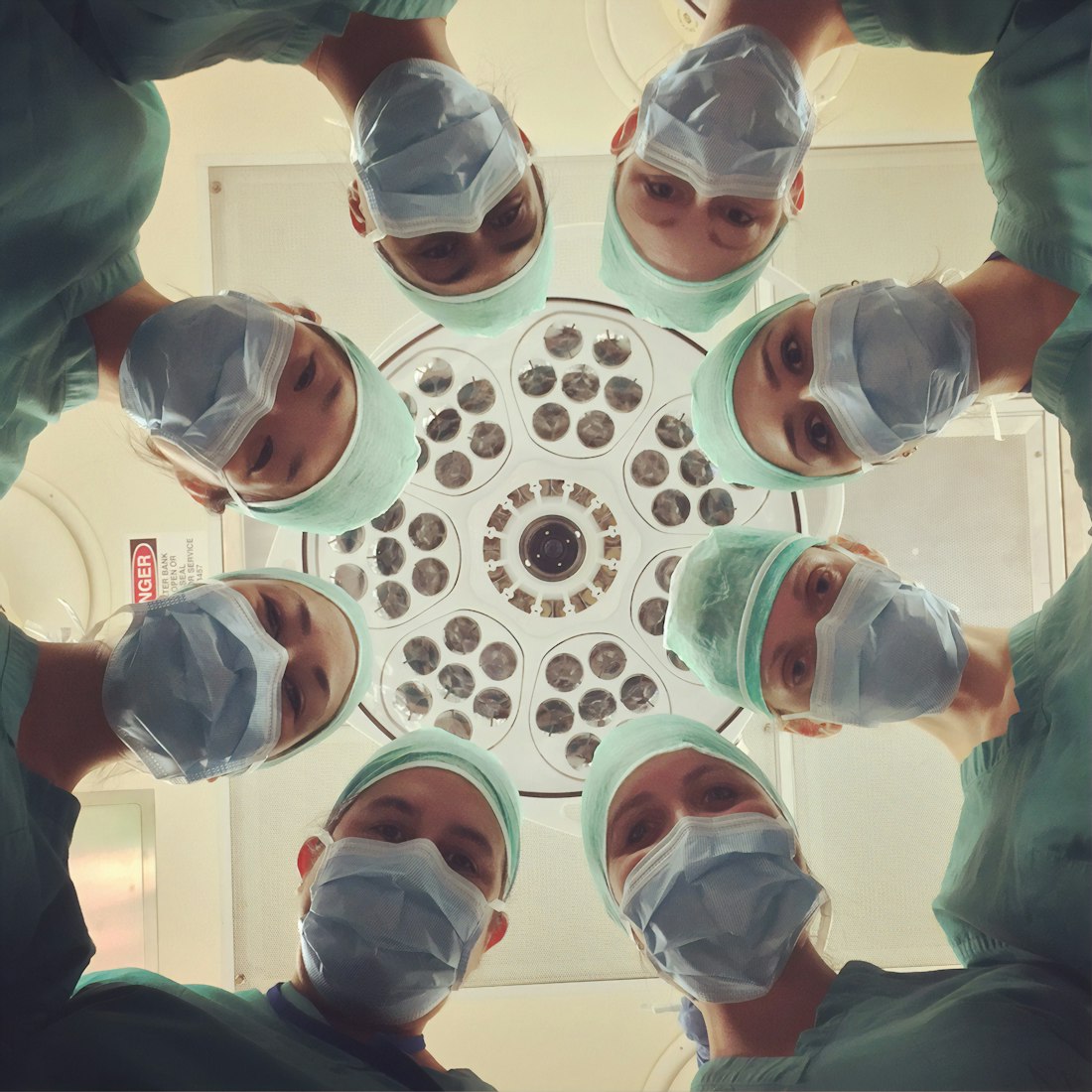
The modern IVF lab — where science meets one of humanity's deepest desires.
The Problem Nobody Talks About Openly
Here's the uncomfortable truth: thousands of doctors in India want to specialise in IVF, but the path from "wanting to" to "actually doing it" is murky at best. Standard postgraduate programs barely scratch the surface of Assisted Reproductive Technology. You complete a DGO or DNB, and suddenly you're expected to manage infertility cases with confidence — but the training simply hasn't prepared you for that.
You see infertility patients every week but feel uncertain about going beyond basic advice. You want to offer IUI or IVF, but you haven't been trained on the live procedures. You're watching other clinics grow their fertility practice while you're still referring patients out. That referral gap is costing you — professionally and financially.
The IVF industry in India is exploding. The market is estimated to cross ₹15,000 crore by 2028. New fertility clinics are opening in every major city. Couples are more informed, more willing to seek help, and actively looking for specialists they can trust. The demand exists. The gap exists. The question is: who fills it?
Who Can Become an IVF Specialist?
Let's clear this up right away. You don't need to start over. You don't need a brand-new degree. If you're a practicing doctor — particularly an OB-GYN, general physician, or even a life sciences graduate interested in embryology — there's a structured path waiting for you.
- MBBS/MD/DGO/DNB doctors looking to pivot into or expand into fertility practice
- Gynaecologists who want to add IVF, IUI, and ART services to their clinic
- Life science graduates interested in clinical embryology as a lab-based career
- Medical professionals who want to set up their own fertility clinic or join established IVF chains
- Doctors already in fertility who need structured, ART-compliant upgradation

Every IVF journey starts with a conversation — and a specialist confident enough to have it.
The Roadmap: How to Actually Become an IVF Specialist
Here's what the path actually looks like — broken down honestly, without the fluff.
-
1Get Your Foundation Right Ensure you have a recognised medical degree (MBBS minimum). Having a DGO, DNB, or MD in Obs & Gynae gives you a strong head start, but it's not always mandatory for fellowship programs.
-
2Understand the ART Act, 2021 India's Assisted Reproductive Technology (Regulation) Act 2021 governs everything in this space. Any clinic you work in or set up must comply. Learning the regulations isn't bureaucracy — it's how you protect yourself and your patients.
-
3Enrol in a Structured Fellowship or Diploma Program This is the single most important step. A good fellowship covers IVF protocols, ICSI, embryo transfer, ovum pick-up, cryopreservation, patient selection, and clinical case management — not just theory, but live hands-on training. Without this, you're learning by trial and error on real patients. That's not acceptable.
-
4Get Real Clinical Exposure Reading about ovum pick-up is completely different from performing one under supervision. You need access to live procedures, real patient cases, and lab environments where you can practice embryo handling, culture, and transfer techniques.
-
5Build Lab & Clinical Skills Together If you're going clinical, you need to understand the embryology lab. If you're going the embryology route, you need to understand clinical decision-making. The best IVF specialists are T-shaped — deep in one area, functional across the other.
-
6Get Certified and Start Practicing — Or Build Your Own Clinic With your fellowship and clinical hours complete, you're ready to join an established IVF centre or set up your own practice. The demand for qualified specialists far outpaces supply right now. Your timing couldn't be better.

IVF lab work requires precision, patience, and properly structured hands-on training — not guesswork.
What Does an IVF Specialist Actually Do?
A lot of doctors picture the role as "doing IVF cycles." The reality is much broader — and much more interesting. Here's what your day-to-day as a fertility specialist looks like:
- Infertility evaluation — investigating both male and female factors with structured workup protocols
- Ovulation induction & monitoring — follicle tracking, trigger injections, cycle management
- IUI procedures — intrauterine insemination for appropriate couples
- Ovum Pick-Up (OPU) — surgical egg retrieval under ultrasound guidance
- Embryo Transfer — carefully placing the resulting embryo into the uterus
- Consultation & emotional counselling — fertility is deeply personal; communication skills matter enormously
- Lab collaboration — working closely with embryologists on fertilisation, culture, and cryopreservation outcomes
- ART compliance & record-keeping — mandatory under the ART Act 2021
India's infertility rate is rising — driven by delayed marriages, urban stress, lifestyle factors, and rising awareness. 1 in 6 couples now faces some form of fertility challenge. That's not a statistic — that's your waiting room. The question isn't whether the patients will come. The question is whether you'll be equipped when they do.
The Courses That Actually Get You There
Not all training programs are equal. The difference between a program that gives you a certificate and one that gives you confidence in the OT is enormous. Here's what a strong IVF training curriculum looks like — and where Manifesta Medical Academy delivers exactly this:
Fellowship in Reproductive Medicine
1-year comprehensive clinical fellowship. IVF, IUI, ART protocols, infertility evaluation, live case exposure. Built for doctors who want to confidently run their own fertility practice.
PG Diploma in Clinical Embryology
Lab-focused diploma covering embryo culture, ICSI, cryopreservation, and IVF lab quality management. For doctors and life sciences graduates interested in the laboratory side of fertility.
Certificate Course in IUI & OPU
Short-term, highly practical. Hands-on IUI and ovum pick-up training for doctors wanting to add core fertility procedures to their practice quickly.
Advanced Course in Hysteroscopy
Diagnostic and operative hysteroscopy with live surgical case exposure. Essential for uterine factor evaluation in any infertility workup.
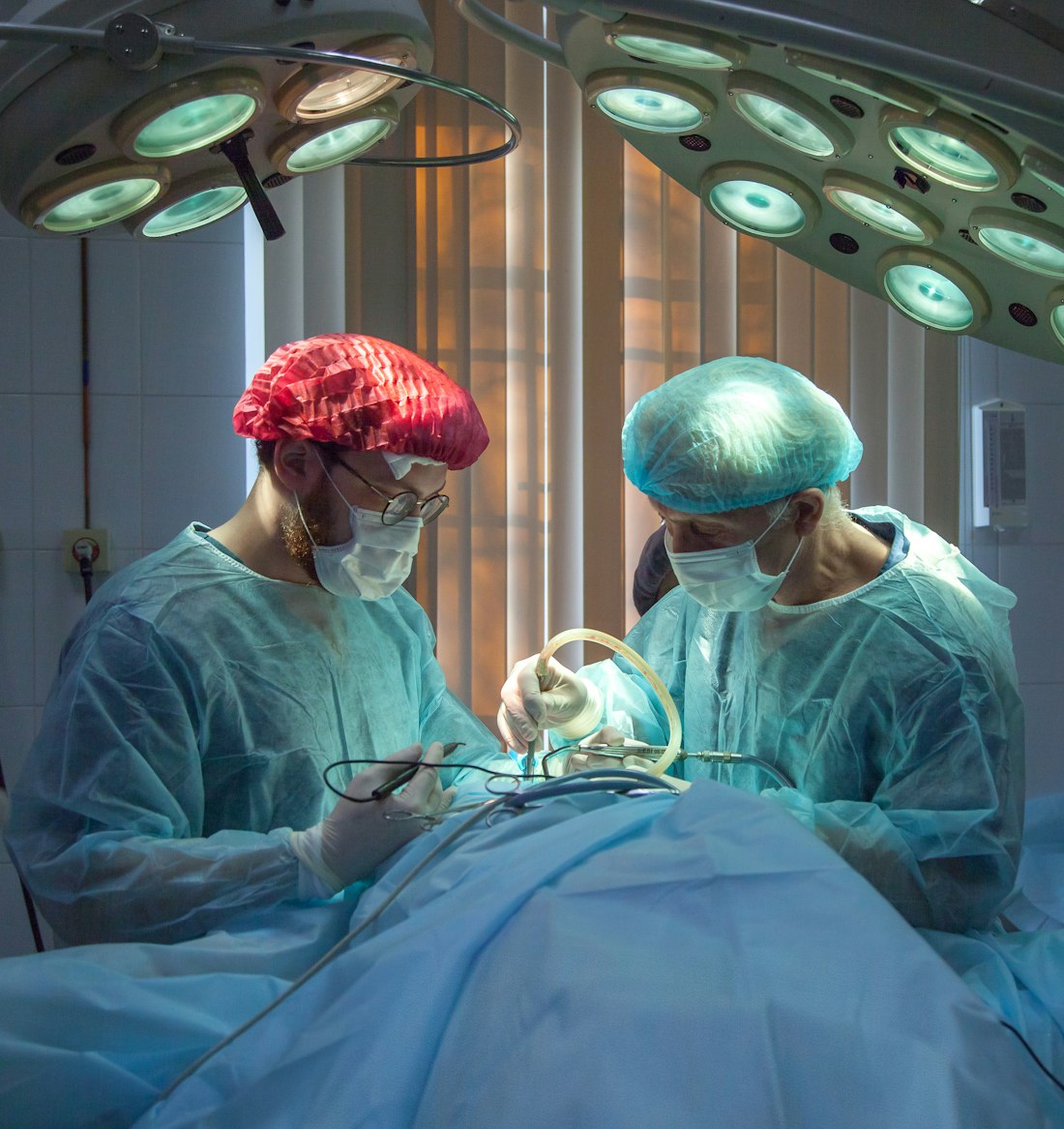
Structured training under expert faculty is what separates a confident IVF specialist from a hesitant one.
Why Choosing the Right Academy Changes Everything
Let's be honest about something: there are plenty of places that will hand you a certificate. But the gap between holding a certificate and confidently handling a patient's fertility journey is wide — and it's filled only by quality training, experienced mentors, and real clinical exposure.
This is where most doctors go wrong. They choose a program based on price or convenience, complete it, and then realise they still don't feel ready to work independently. That sets their career back by 2–3 years. Choosing the right academy from the start isn't a luxury. It's a shortcut to where you actually want to be.
Why Manifesta Medical Academy?
India's premier reproductive medicine training academy — built by practicing fertility specialists, for doctors who want to actually become one.
Real Clinical Exposure
Training happens in live fertility clinics and IVF labs — Neelkanth IVF, World IVF Centre, FertiJoy IVF, and more. You observe and assist on real patient cases, not mannequins.
Expert Faculty Who Still Practice
Dr. Bindu Garg (42+ years, Neelkanth IVF), Dr. Nisha Bhatnagar (25+ years, World IVF), Dr. Ramya Mishra (14+ years, FertiJoy) — your faculty are not retired. They're still in the OT.
Fully ART-Compliant Training
Every course follows the ART Act 2021 guidelines. You won't just learn how to treat infertility — you'll learn how to practice legally, ethically, and professionally.
Theory + Live + Hands-On
Three-pillar model: structured theory, live interactive classes with surgery telecasts, and direct procedure-based hands-on training. Not one without the others.
Career-Focused, Not Just Academic
Modules include how to set up a compliant fertility practice, manage clinic operations, understand regulatory filings, and market your services. Because running a clinic is different from just knowing medicine.
PCPNDT Approved & Trusted
500+ doctors trained. Nationally recognised certifications. Courses designed exclusively for qualified medical professionals — no shortcuts, no compromises.
Meet the Faculty Who Will Train You
Good training lives or dies by its faculty. At Manifesta, your mentors aren't academics who stopped practicing years ago — they are currently some of the most respected names in Indian reproductive medicine.
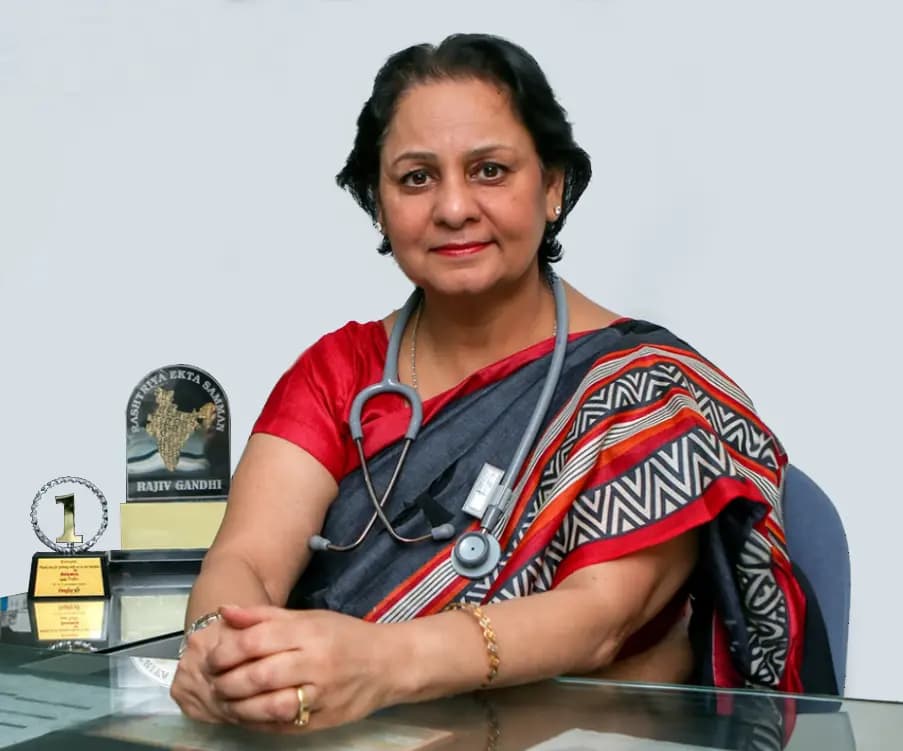
42+ Yrs Experience
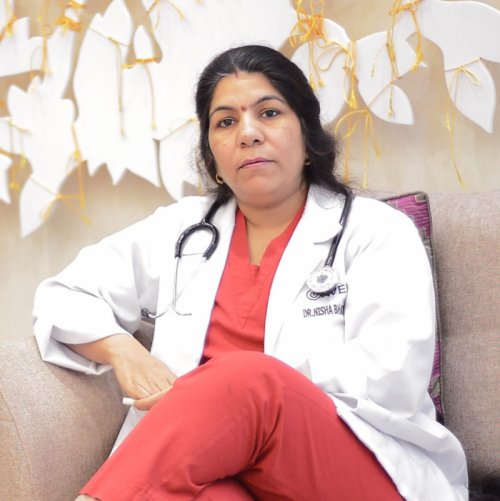
25+ Yrs Experience
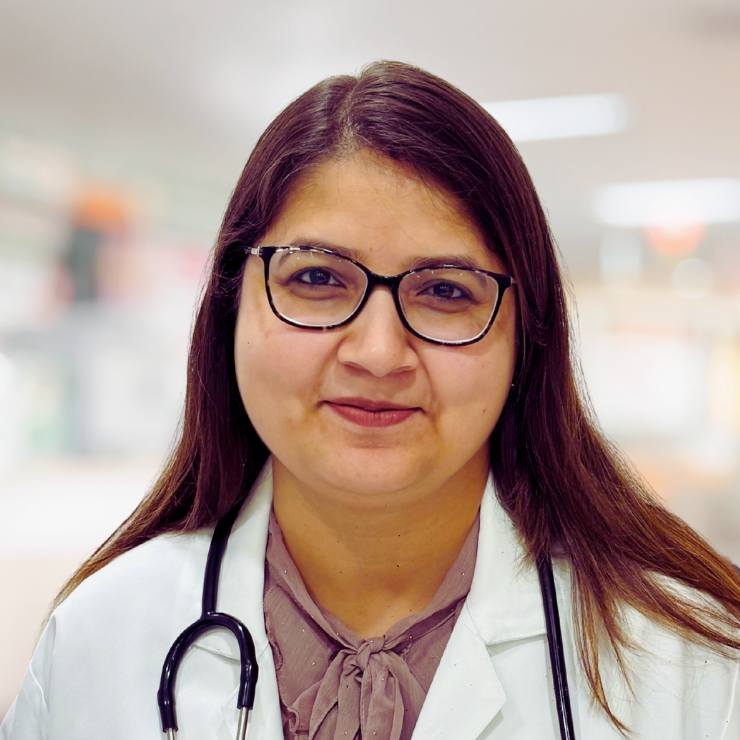
14+ Yrs Experience
These aren't guest lecturers. These are the doctors running the live sessions, guiding the clinical exposure, and reviewing your case discussions. When you graduate, you've learned directly from the people actually delivering fertility care in India today.
What Your Career Looks Like After This
Let's talk about the part that gets people truly excited. The career on the other side of this training is genuinely excellent — and the market timing in 2026 has never been better.
- Join an established IVF chain — chains like Neelkanth, Nova IVF, Cloudnine, and Indira IVF are actively hiring trained specialists and embryologists across India
- Set up your own fertility clinic — with practical training in ART compliance and clinic management, you're not just medically ready — you're operationally ready
- Add IVF services to your existing OB-GYN practice — the fastest ROI play, especially in Tier 2 and Tier 3 cities where there's massive unmet demand
- Work internationally — India-trained IVF specialists with ART certification and clinical hours are sought after in the UAE, Southeast Asia, and East Africa
- Medical education and training — experienced IVF specialists are increasingly needed as trainers, faculty, and consultants as the sector grows
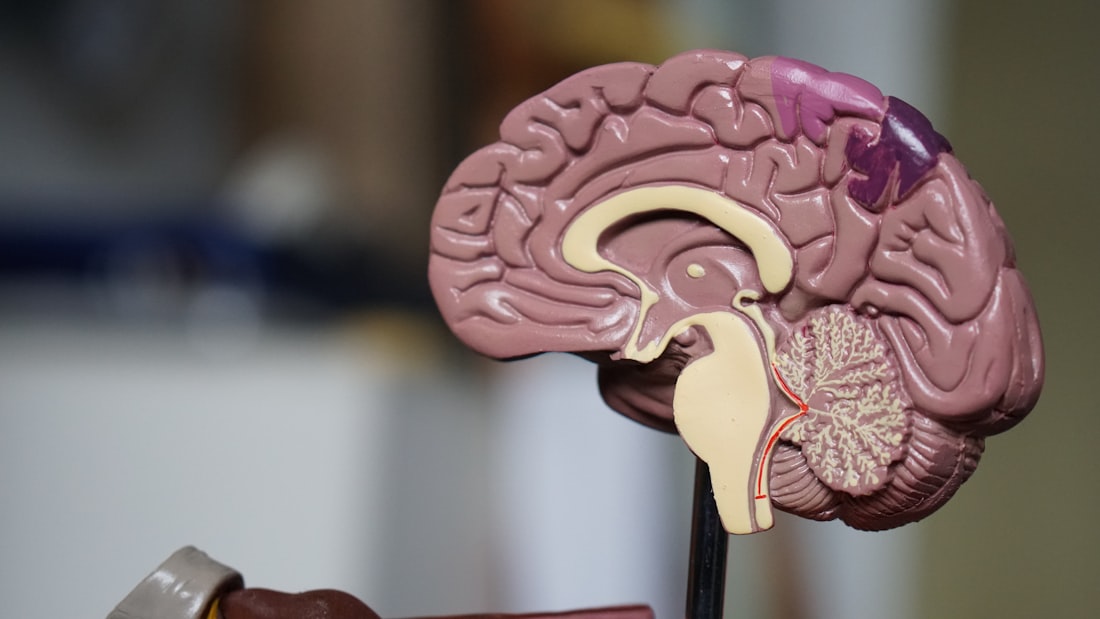
The demand for qualified IVF specialists in India is growing faster than the supply. Your window is open right now.
The Honest Timeline
One of the questions doctors ask most often is: "How long will this take?" Here's a realistic picture:
Fellowship in Reproductive Medicine: 12 months — the most comprehensive route. Best for doctors who want full clinical independence.
PG Diploma in Clinical Embryology: 6–9 months — ideal for lab-focused careers.
Certificate in IUI & OPU: 3–4 months — quickest route to adding core procedures to your practice.
By the end of any of these programs, you won't just have a certificate. You will have treated real patients, observed live procedures, practiced hands-on, and understood the regulatory framework you'll operate within for the rest of your career.
A Final Word — From One Realistic Perspective
This article wasn't written to sell you something. It was written because too many qualified doctors are sitting on the sidelines of one of India's most rewarding specialties — not because they lack talent or drive, but because nobody gave them a clear, honest map.
The infertility epidemic in India is real. The shortage of trained, confident IVF specialists is real. The career opportunity waiting on the other side of proper training is real. All that's required is the decision to make the move — and the discipline to choose a program that actually prepares you for it.
Manifesta Medical Academy exists because a group of experienced fertility specialists looked at the training gap and decided to close it — with live cases, real labs, ART-compliant curriculum, and faculty who are still in the OT every week. If that's the standard you're looking for, this is where you'll find it.
Ready to Build Your IVF Career?
Admissions Open for 2026 Batches — Limited Seats. Talk to a counsellor today, completely free.


Leave a Reply